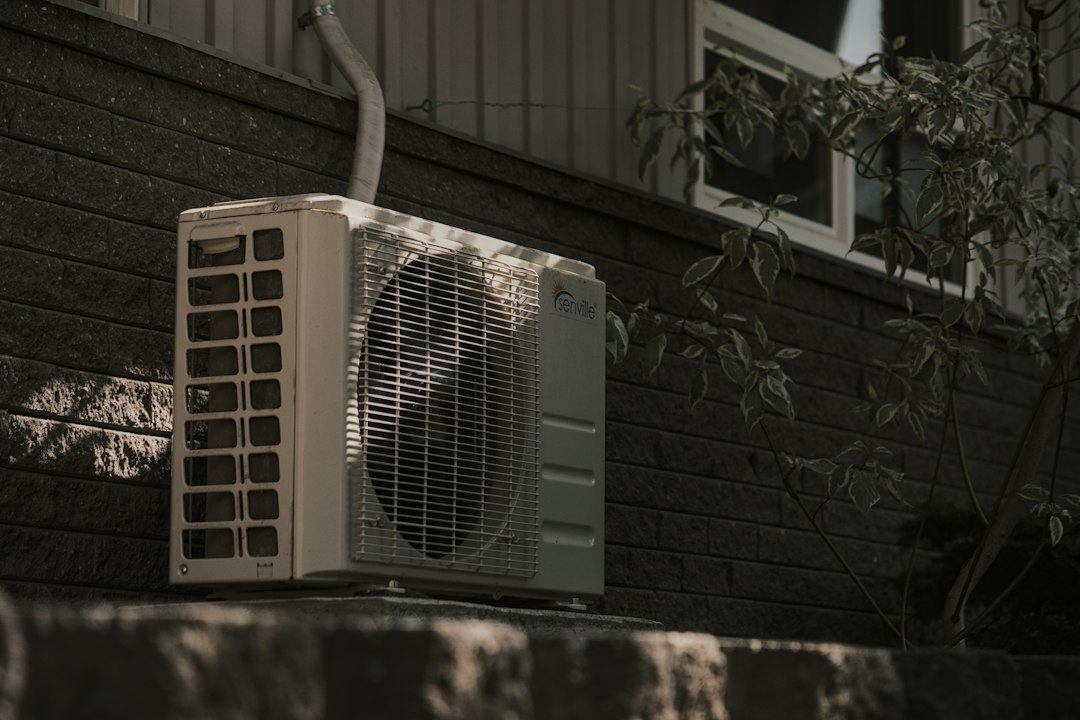
When Los Angeles temperatures rise, a dependable cooling system becomes an important part of maintaining a comfortable indoor environment. For homeowners considering air conditioning installation los angeles ca, understanding the installation process can make it easier to plan the project, evaluate equipment options, and avoid common problems. A properly installed system can provide consistent cooling, support indoor comfort, and operate more efficiently when it is correctly matched to the property. Rather than choosing equipment based only on appearance or initial cost, homeowners should consider the home’s size, insulation, existing ductwork, electrical requirements, and everyday cooling needs before making a final decision.
In This Article
- Why Is Professional Air Conditioning Installation Important?
- How Is the Correct Air Conditioner Size Determined?
- Does Existing Ductwork Matter During Installation?
- What Should Homeowners Expect During Installation?
- How Long Can an Air Conditioning Installation Take?
- What Factors Affect the Cost of a New Cooling System?
- Should Energy Efficiency Be a Major Consideration?
- What Role Does the Thermostat Play?
- Why Is Drainage Important?
- What Should Be Checked After Installation?
- How Can Homeowners Prepare for Installation?
- Is Maintenance Still Necessary After a New Installation?
- What Makes an Installation a Long-Term Investment?
Why Is Professional Air Conditioning Installation Important?
A new air conditioning system involves considerably more than placing an outdoor unit beside a home. The equipment must be correctly sized, positioned, connected, tested, and configured. Installation quality can influence airflow, temperature consistency, system performance, and long-term reliability.
An incorrectly installed unit may struggle to maintain the desired indoor temperature even when the equipment itself is modern. Poor connections, unsuitable ductwork, inadequate airflow, or incorrect refrigerant handling can create performance concerns. Professional installation helps ensure that the individual components work together as an integrated cooling system.
For Los Angeles properties, installation also needs to account for local environmental conditions. A cooling system may experience substantial demand during warmer periods, so selecting and installing equipment appropriately is an important part of preparing a home for seasonal temperature changes.
How Is the Correct Air Conditioner Size Determined?
One of the most important questions homeowners can ask is whether the proposed system is properly sized for the property. Bigger is not automatically better. An oversized air conditioner can cool a space quickly but may cycle on and off too frequently. This can affect humidity control, comfort, and operating patterns.
An undersized system can create a different set of concerns. If the equipment cannot adequately meet the cooling load, it may need to operate for extended periods during hot weather. This can place additional demand on the system and make it difficult to maintain consistent temperatures.
Professional sizing considers factors such as square footage, ceiling height, insulation, window placement, sunlight exposure, occupancy, and the home’s overall design. This approach provides a more useful basis for equipment selection than relying solely on a property’s floor area.
Does Existing Ductwork Matter During Installation?
Yes. Ductwork plays an important role in how cooled air reaches different rooms. Even a high-quality air conditioner may not perform as expected if existing ducts are damaged, poorly sealed, improperly sized, or arranged in a way that restricts airflow.
During an installation assessment, technicians can examine accessible ductwork and identify conditions that may affect the new system. Leaks, disconnected sections, crushed ducts, and insufficient insulation can contribute to uneven temperatures and wasted conditioned air.
Homeowners replacing an older cooling system should therefore ask whether the existing air distribution system is suitable for the new equipment. In some homes, improving ductwork can be an important part of achieving better overall performance.
What Should Homeowners Expect During Installation?
The exact process varies according to the property and equipment selected, but most installations involve several stages. The first step is generally an evaluation of the home and existing cooling setup. This helps determine equipment requirements and identify installation considerations.
The old equipment may then be removed if the project involves a replacement. The installation team prepares the designated locations for the indoor and outdoor components, establishes the necessary connections, and installs or modifies supporting components as required.
Electrical connections, refrigerant lines, drainage arrangements, controls, and airflow pathways must all be addressed correctly. After installation, the system should be inspected and tested to verify that it starts properly, distributes air effectively, and responds correctly to thermostat settings.
A professional installation is not complete simply because the equipment turns on. Testing and final checks are important steps in confirming that the system is ready for regular operation.
How Long Can an Air Conditioning Installation Take?
Installation time depends on the type of equipment, accessibility, existing infrastructure, and whether additional modifications are necessary. A straightforward replacement may be completed within a relatively short work period, while a more involved installation can require additional preparation.
Projects involving duct modifications, electrical upgrades, changes to equipment locations, or other property-specific requirements may take longer. Homeowners should discuss the expected schedule before work begins.
Clear communication can also help prevent misunderstandings. Asking what preparation is required, how long the work is expected to take, and what areas of the home technicians will need to access can make the installation process more convenient.
What Factors Affect the Cost of a New Cooling System?
Several variables influence the overall project cost. Equipment type and capacity are obvious considerations, but they are not the only ones. Labor requirements, installation complexity, electrical work, ductwork modifications, accessibility, and removal of an existing unit can all affect the final price.
Homeowners should consider the complete installation rather than focusing exclusively on the equipment purchase price. A lower-cost system may not provide the same features, efficiency characteristics, or long-term operating profile as another option.
It is also useful to understand exactly what an installation estimate includes. Questions about equipment, labor, required materials, testing, removal of old components, and any necessary modifications can help homeowners compare proposals more accurately.
Should Energy Efficiency Be a Major Consideration?
Energy efficiency can be an important factor when selecting new cooling equipment. Air conditioning represents a significant portion of household energy use in many warm climates, so equipment designed for efficient operation may help manage ongoing electricity consumption.
However, efficiency ratings should not be considered in isolation. The system still needs to be correctly sized and installed. An efficient air conditioner that is poorly matched to a property may not deliver the expected results.
Homeowners should consider how frequently the system will be used, the home’s insulation quality, thermostat preferences, and the condition of the building envelope. Improving these areas can complement the performance of a new cooling system.
What Role Does the Thermostat Play?
The thermostat controls when the air conditioner operates and helps maintain the selected indoor temperature. Modern thermostats can offer additional scheduling and control features, depending on the system and model.
During installation, the thermostat should be correctly connected and configured. Its placement also matters. A thermostat positioned near direct sunlight, heat-producing appliances, or unusual drafts may receive misleading temperature readings.
Homeowners can ask the installation professional whether the existing thermostat is compatible with the new system or whether replacing it would provide useful control features.
Why Is Drainage Important?
Air conditioning systems remove moisture from indoor air as part of the cooling process. That moisture needs to be properly collected and directed away from the equipment.
A drainage problem can potentially result in water accumulation around the indoor unit or other parts of the property. During installation, technicians should verify that condensate drainage is appropriately arranged and that relevant components are functioning correctly.
This detail may seem minor compared with selecting the main equipment, but proper drainage is an essential part of a complete cooling installation.
What Should Be Checked After Installation?
A final inspection and performance test should be part of the installation process. The technician can verify thermostat operation, airflow, electrical connections, refrigerant-related components, drainage, and general system function.
Homeowners should also receive basic information about operating the equipment and maintaining it. Understanding filter replacement, thermostat settings, and recommended maintenance practices can help support reliable operation.
It is worth asking for clarification about any unfamiliar controls before the technician leaves. Knowing how the system works from the beginning can make everyday use easier.
How Can Homeowners Prepare for Installation?
A little preparation can make the project smoother. Clear access to indoor and outdoor equipment locations, remove fragile items from nearby work areas, and make sure technicians can reach relevant electrical and mechanical components.
If the project involves replacing an existing system, homeowners may also want to identify any rooms that have historically been difficult to cool. Sharing this information can help the technician investigate possible airflow or insulation issues.
Keeping pets away from the work area is another practical consideration. Installation involves tools, electrical components, and equipment movement, so a clear workspace supports a safer and more organized process.
Is Maintenance Still Necessary After a New Installation?
Yes. A new air conditioner does not eliminate the need for maintenance. Regular attention can help identify developing problems before they become larger concerns.
Air filters should be checked according to the manufacturer’s recommendations and replaced or cleaned when appropriate. Outdoor equipment should remain reasonably clear of debris, while professional inspections can address components that require specialized attention.
Routine maintenance may also help preserve airflow and system performance. The specific maintenance schedule depends on equipment type, usage, property conditions, and manufacturer guidance.
What Makes an Installation a Long-Term Investment?
A cooling system is expected to serve a home for years, making installation quality an important consideration. The initial project affects how the equipment operates throughout its service life.
Proper sizing, suitable equipment selection, careful installation, appropriate airflow, reliable electrical connections, and thorough testing all contribute to a more dependable cooling setup. Homeowners who take time to evaluate these factors can make a more informed decision about their property’s comfort needs.
For Los Angeles homeowners, dependable cooling is not simply about lowering the temperature. It is about creating a stable indoor environment while using equipment appropriately for the home. A professional installation provides the foundation for that goal by bringing together the right equipment, correct configuration, and property-specific considerations.
Ultimately, the best installation process begins before the equipment arrives. Careful assessment, clear communication, appropriate system selection, and professional workmanship can help homeowners establish a cooling system designed around the actual needs of their property. With proper installation and ongoing maintenance, a new air conditioner can become a practical part of a home’s long-term comfort strategy.
What You Need to Know
- Professional air conditioning installation is crucial as it involves more than just placing an outdoor unit; it includes proper sizing, positioning, and testing of the equipment.
- An incorrectly sized air conditioner can lead to issues such as humidity control problems or increased operational demands during hot weather.
- Ductwork quality significantly impacts how effectively cooled air is distributed throughout a home and can be a factor in installation assessments.
- The installation process typically begins with an evaluation of the home and existing cooling setup to determine equipment requirements.
- Factors affecting the cost of a new cooling system include equipment type, labor, installation complexity, and any necessary modifications to existing infrastructure.