

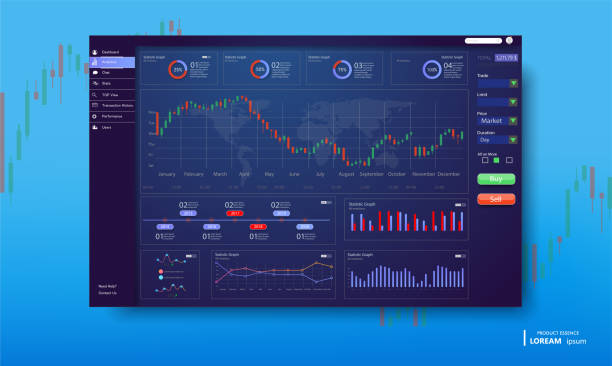
Online trading platforms are vital tools for traders and investors globally. They provide direct market access, real-time monitoring of financial instruments, and efficient trade management. For investors in India, selecting the right platform is crucial to ensure smooth execution, effective risk management, and access to essential tools like charts, market analysis, and order management features.
Key considerations include usability, security, regulatory compliance, and support for domestic payment options. By understanding these features, traders can make informed decisions, optimize their strategies, and confidently navigate equity, forex, commodities, and other financial markets using the best online trading platforms available.
What Are Online Trading Platforms?
An online trading platform is software that enables traders to buy and sell financial instruments such as stocks, commodities, currencies, and cryptocurrencies over the internet. Platforms provide a digital environment where traders can analyze markets, place orders, monitor positions, and review historical data. For beginners, platforms often include demo accounts to practice trading without financial risk. For professionals, these platforms provide advanced features such as algorithmic trading, technical analysis tools, and integrated news feeds.
In India, the rise of digital brokers has made online trading platforms increasingly accessible. Many platforms now cater specifically to Indian investors, offering seamless integration with local banks, compliance with regulatory requirements, and support for multiple instruments. The best online trading platforms combine speed, transparency, and ease of use to provide a reliable trading experience.
Key Features of Online Trading Platforms
When evaluating online trading platforms, several features determine their effectiveness and reliability. Understanding these features helps investors select the platform best suited to their trading style.
1. Market Access and Instruments
A comprehensive online trading platform provides access to multiple asset classes. This may include equities, commodities, forex, and cryptocurrencies. Platforms that support diverse markets allow traders to diversify their portfolios and explore different investment strategies. Features like real-time pricing and market depth visibility are essential to make informed decisions.
2. User Interface and Usability
Ease of use is a critical factor in choosing a platform. A clean, intuitive interface helps traders navigate markets efficiently. Features such as customizable dashboards, quick order placement, and easy access to trade history enhance the user experience. For mobile trading, responsive design and synchronized accounts across devices are crucial.
3. Order Execution and Speed
The quality of order execution directly impacts trading outcomes. Platforms should process trades swiftly with minimal latency to prevent slippage, particularly in volatile markets. Investors should look for platforms that offer real-time confirmations and transparent order handling. Fast execution combined with clear order routing contributes to overall trading efficiency.
4. Risk Management Tools
Effective risk management is vital in trading. Platforms often provide tools such as stop-loss orders, margin monitoring, and exposure alerts. These tools allow traders to control potential losses and manage leverage responsibly. For Indian traders, understanding margin requirements and leverage implications is especially important when dealing with equity and derivative instruments.
5. Charting and Analytical Tools
Technical analysis is a cornerstone of modern trading. Platforms should include charting tools, indicators, and customizable analysis features. Real-time data feeds and historical charts help traders identify trends, evaluate patterns, and develop strategies. Platforms that integrate news and economic updates further enhance analytical capabilities.
6. Security and Account Protection
With the rise of digital trading, security is paramount. Reliable platforms use encryption, session monitoring, and device verification to protect account information. Investors should ensure that their platform supports two-factor authentication and provides regular alerts for account activity. A secure platform safeguards not only financial assets but also personal data.
Key Considerations for Indian Traders
Choosing an online trading platform India involves several country-specific factors. Regulatory compliance with the Securities and Exchange Board of India (SEBI) ensures investor protection. Local payment options, such as UPI and net banking, simplify deposits and withdrawals. Moreover, platforms that support Indian market instruments, including NSE and BSE equities, derivatives, and mutual funds, cater directly to domestic investors.
Other considerations include trading fees, spreads, and commission structures. Transparent pricing helps traders understand costs upfront, avoiding unexpected deductions. Platforms with fast onboarding processes and straightforward account verification improve overall accessibility.
The Role of Technology in Trading
Technology underpins the effectiveness of online trading platforms. Modern platforms utilize high-speed servers, cloud computing, and algorithmic order processing to provide seamless execution. Mobile and web applications allow traders to manage positions on the go. For equity traders in India, this means real-time access to market movements, order books, and portfolio performance from any location.
Artificial intelligence and data analytics are increasingly integrated into platforms to offer predictive insights and market alerts. These features assist traders in spotting trends, managing risk, and optimizing strategies. Platforms that continuously innovate and incorporate emerging technologies provide a competitive advantage to users.
Choosing the Best Online Trading Platforms
Finding the best online trading platforms involves evaluating multiple factors:
- Security and regulatory compliance
- Access to multiple markets and instruments
- Order execution speed and reliability
- Analytical tools and charting capabilities
- User-friendly interface across devices
- Transparent fees and margin structures
For traders in India, it is also crucial to consider payment options, integration with domestic markets, and SEBI compliance. By carefully reviewing these factors, investors can select platforms that align with their goals and risk tolerance.
Conclusion
Online trading platforms are the gateway to modern financial markets. They empower traders with tools to analyze, execute, and monitor trades efficiently. For Indian investors, platform choice influences accessibility, risk management, and overall trading success. By focusing on security, usability, and robust features, traders can navigate the complexities of equities, commodities, forex, and cryptocurrencies with confidence. Understanding the nuances of different platforms ensures informed decisions and structured trading strategies.
As a modern solution designed for today’s active global traders, Flow FX provides a comprehensive trading environment with direct access to equities, commodities, forex, and crypto markets. Its platform supports real-time pricing, charting tools, risk management features, and multi-device synchronization. Traders benefit from fast account onboarding, smooth deposits and withdrawals, and 24/7 support. With Flow FX, investors gain the confidence to test strategies, manage exposure, and execute trades effectively on one of the best online trading platforms for India.