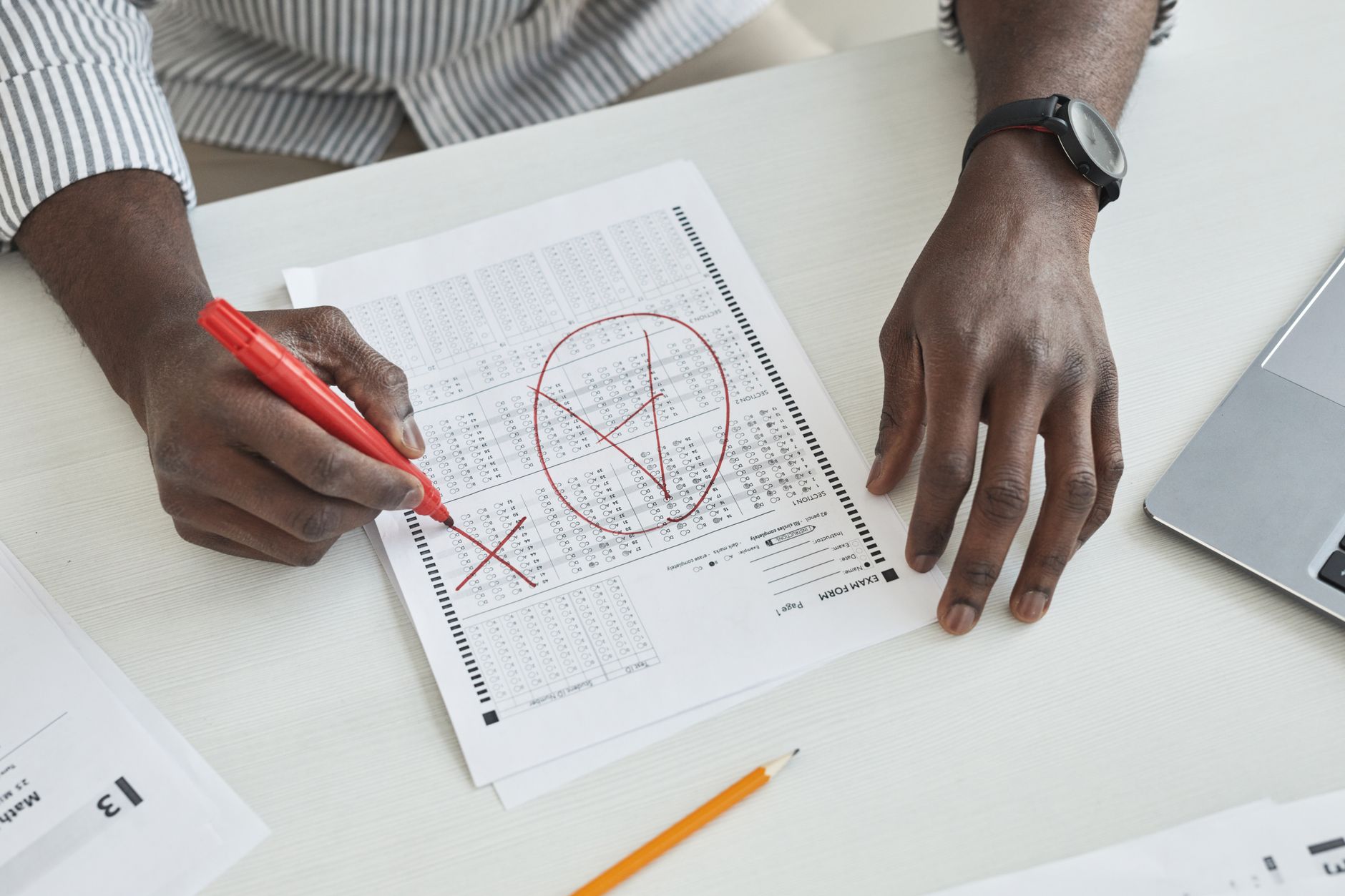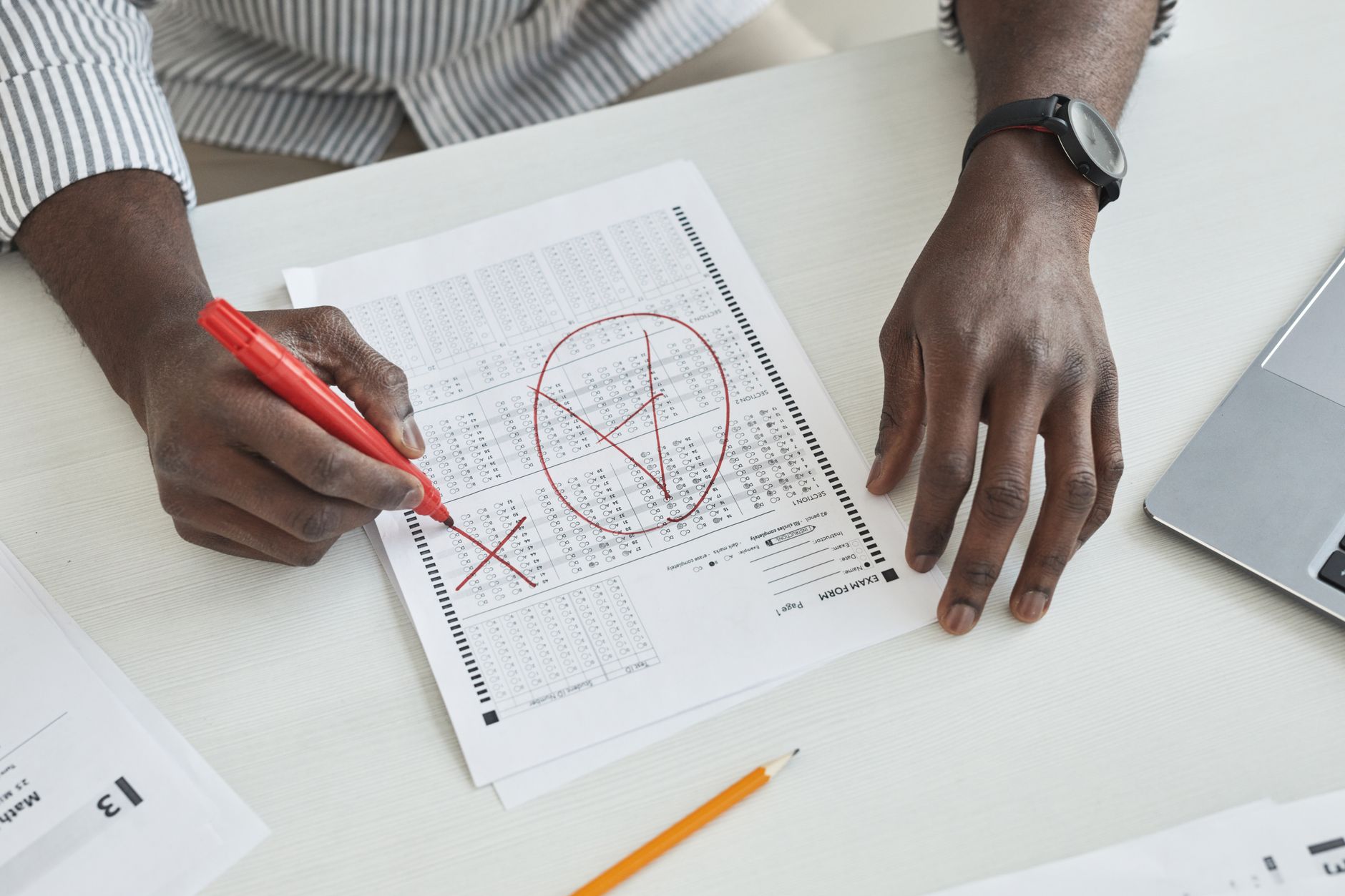
The CBSE 12th Result controversy has sparked significant debate among students and parents. The board has issued an official statement defending the OSM amid rising concerns.
Overview of the CBSE 12th Result Controversy
The CBSE 12th Result controversy has sparked significant debate among students, parents, and educators. Following the announcement of the results, concerns were raised regarding the Online Submission of Marks (OSM) system used by the board. Many students and their families expressed dissatisfaction with the accuracy of the results, claiming discrepancies in marks that they believed did not reflect their performance.
In response to the growing unrest, the Central Board of Secondary Education (CBSE) issued an official statement defending the OSM system. The board assured stakeholders that rigorous measures were implemented to ensure the integrity of the evaluation process. However, this has not quelled the concerns, as numerous students have come forward to highlight their specific grievances.
The controversy continues to evolve, with various opinions emerging regarding the effectiveness and reliability of the OSM system. Stakeholders are keenly awaiting further clarifications from the board as they navigate this challenging situation.
Official Statement from CBSE
In response to growing concerns regarding the CBSE 12th Result controversy, the Central Board of Secondary Education (CBSE) has issued an official statement to clarify its stance on the matter. The board defended its Online System of Management (OSM), emphasizing that the results are a product of a well-established evaluation process.
According to the statement, the OSM was designed to enhance transparency and efficiency in result processing. CBSE officials highlighted that the system has undergone rigorous testing, ensuring accuracy in the assessment of students’ performance. In light of the controversy, the board reassured students and parents that all necessary measures are in place to address any discrepancies that may arise.
The statement concluded with a reminder that the integrity of the examination and results is of utmost importance to the board, and they are committed to resolving any issues related to the CBSE 12th Result controversy promptly.
What is OSM?
The term OSM, or Online Scoring Methodology, refers to the digital process employed by the Central Board of Secondary Education (CBSE) for evaluating and releasing the 12th-grade examination results. This system aims to enhance transparency and efficiency in the assessment process. However, the introduction of OSM has not been without its challenges, particularly in light of the ongoing CBSE 12th Result controversy.
The OSM was implemented to streamline result processing and reduce human errors. It utilizes advanced algorithms to analyze student performance data and generate results swiftly. Despite its advantages, many students and parents have raised concerns regarding the reliability of the OSM, citing instances of discrepancies in marks and a lack of clarity in the evaluation criteria.
In response to these criticisms, the CBSE has defended the OSM, asserting its commitment to ensuring fair assessment practices while addressing the issues raised by stakeholders.
Reactions from Students and Parents
The recent CBSE 12th Result controversy has sparked a wave of reactions from both students and parents, many of whom are expressing their concerns about the fairness of the assessment process.
Several students took to social media to voice their frustrations regarding the discrepancies they observed in their results, with many claiming that the OSM (Online Subject Marks) system contributed to inconsistencies in grading.
- Aditi Sharma, a student from Delhi, stated, “I worked hard all year, but my marks don’t reflect my efforts. The OSM system seems flawed.”
- Rajiv Mehta, a parent, echoed these sentiments, saying, “We demand transparency from CBSE. Our children’s futures are at stake.”
- Others are calling for a reevaluation of the results, urging the board to address the issues raised during this CBSE 12th Result controversy.
The ongoing discussions highlight the urgent need for clarity and support from the board during this tumultuous time.
Future Implications for CBSE Exams
The ongoing CBSE 12th Result controversy raises significant questions about the future of examinations conducted by the Central Board of Secondary Education. As the debate surrounding the Objective Scoring Method (OSM) continues, its long-term implications could reshape assessment strategies in Indian schools.
One potential outcome is the increased adoption of technology in evaluation processes. The board may push for more transparent and objective assessment methods, ensuring fairness and accuracy in results. This shift could encourage other educational boards to follow suit, ultimately transforming the examination landscape across the country.
Furthermore, the controversy might lead to a re-evaluation of existing grading systems, emphasizing the need for a more holistic approach to student evaluation, focusing not just on examination scores but also on overall learning outcomes.
As stakeholders engage in discussions, it is crucial to consider how these changes will affect students’ futures and their preparedness for higher education.
Photo by Andy Barbour on Pexels