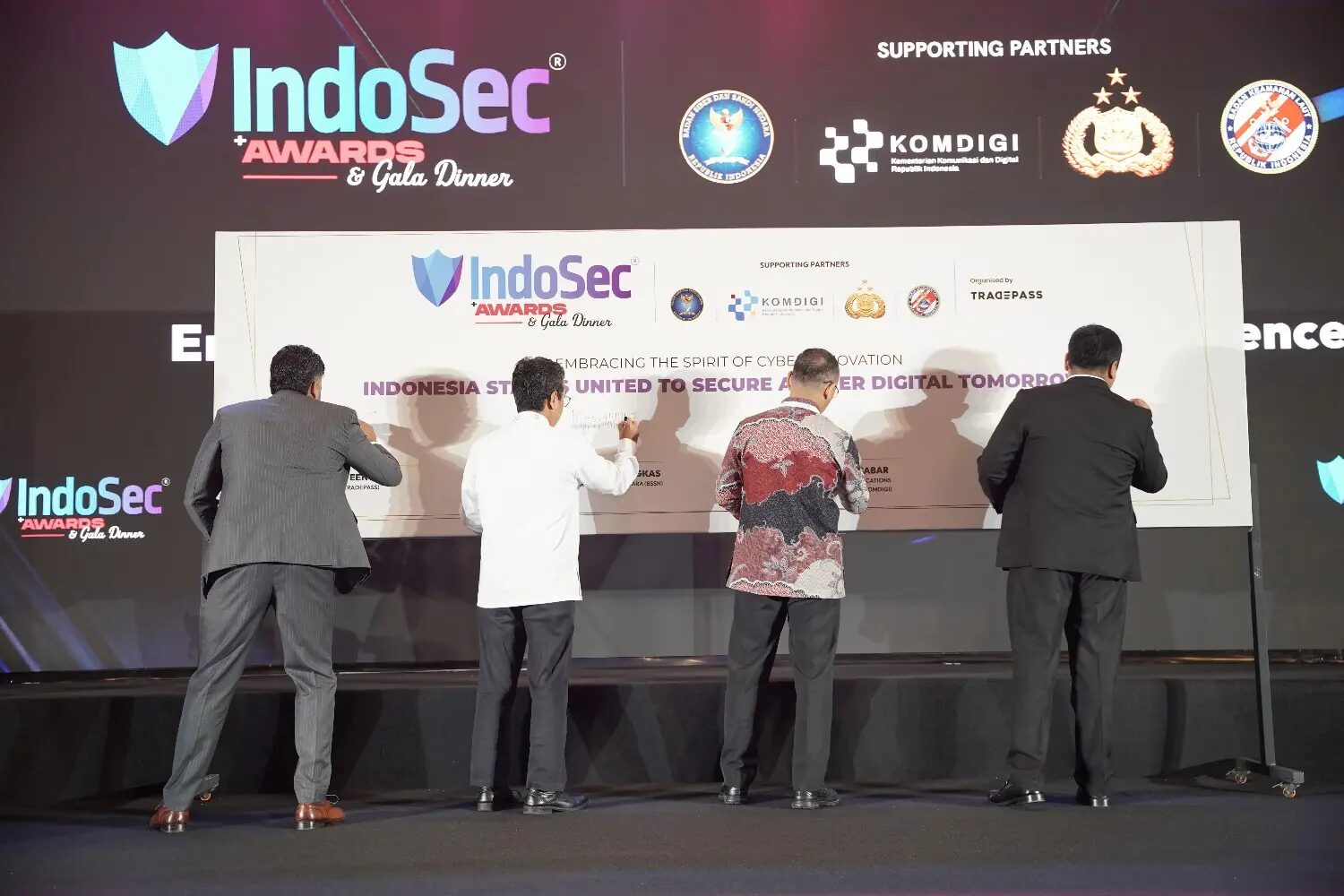
Cybersecurity continues to evolve as organisations face evolving threats, expanding digital environments, and increasingly sophisticated attack methods across connected systems. As businesses adopt cloud platforms, remote work, artificial intelligence, connected devices, and digital services, security teams must continuously strengthen their ability to identify and manage emerging risks. Cybersecurity seminars can provide valuable opportunities for professionals to examine current threats, exchange practical experiences, and understand developing security approaches.
Such industry discussions can cover areas including threat intelligence, data protection, identity management, cloud security, incident response, and regulatory expectations. Learning from security professionals and technology specialists can help organisations strengthen awareness while encouraging more structured approaches to cybersecurity planning, resilience, and risk management across increasingly complex digital environments.
Key Areas Shaping the Modern Cybersecurity Landscape
Security teams must consider technological, operational, and human factors as organisations expand their digital infrastructure and face increasingly complex cybersecurity risks.
1. Evolving Cyber Threats
Cyber threats continue to develop in response to changing technologies and business environments. Phishing, ransomware, credential theft, malware, social engineering, and supply-chain attacks can affect organisations across different sectors. Security professionals need to monitor changing attack patterns and understand how attackers exploit technical weaknesses and human behaviour. Sharing information about emerging threats can help security teams improve preparedness and strengthen preventive measures before incidents occur.
2. Artificial Intelligence and Security
Artificial intelligence is influencing both cybersecurity defence and attack strategies. Security teams can use AI-supported technologies to analyse large datasets, identify unusual activity, automate monitoring, and support threat detection. At the same time, attackers may use automated techniques to create more convincing phishing attempts or accelerate malicious activities. Organisations therefore need balanced strategies that consider the opportunities and risks associated with AI while maintaining appropriate oversight and security controls.
3. Cloud Security Priorities
Cloud adoption has changed how organisations store information, deploy applications, and manage infrastructure. While cloud platforms can provide flexibility and scalability, they also introduce security considerations involving access controls, configurations, identities, data protection, and shared responsibilities. Security professionals must understand their cloud environments and continuously monitor configurations and permissions. Regular assessments can help identify weaknesses before they develop into larger security incidents.
4. Identity and Access Management
Identity has become a central component of modern cybersecurity because compromised credentials can provide attackers with access to sensitive systems and information. Strong authentication, least-privilege access, role management, and continuous monitoring can help reduce unnecessary exposure. Organisations should regularly review access permissions and remove outdated accounts or privileges. Effective identity management can strengthen security while ensuring authorised users retain appropriate access to essential resources.
5. Data Protection and Privacy
Protecting sensitive information requires organisations to understand where data is stored, how it moves, who can access it, and how long it is retained. Encryption, access controls, monitoring, secure storage, and appropriate data-handling practices can help reduce exposure. Privacy requirements may also influence how organisations collect and process personal information. Security and privacy teams can benefit from working together to establish consistent controls across the data lifecycle.
Knowledge Sharing Strengthening Security Preparedness
Industry gatherings can help cybersecurity professionals exchange practical knowledge and discuss security challenges affecting different organisations. Conversations between security leaders, technology specialists, researchers, and business decision-makers can provide broader perspectives on emerging risks.
Cybersecurity seminars may also create opportunities to examine real-world approaches to threat detection, risk management, security operations, compliance, and incident response. Learning how other organisations address similar challenges can help professionals evaluate their existing processes and identify areas for improvement.
Practical Security Strategies for Modern Organisations
A strong cybersecurity programme requires more than deploying individual security products. Organisations need coordinated processes covering technology, people, governance, monitoring, and response.
1. Security Awareness
Employees remain an important part of an organisation’s security environment. Regular awareness programmes can help staff recognise phishing attempts, suspicious links, social engineering tactics, and unsafe practices. Training should be practical and updated as threat patterns change. Creating a security-conscious culture can reduce avoidable mistakes while encouraging employees to report suspicious activity promptly.
2. Continuous Monitoring
Continuous monitoring can help security teams identify unusual activity and respond to potential threats more quickly. Security information and event management systems, endpoint monitoring, network analysis, and threat intelligence can contribute to broader visibility. Organisations should establish processes for reviewing alerts and prioritising incidents according to their potential impact.
3. Vulnerability Management
Software, systems, applications, and connected devices can develop vulnerabilities over time. Regular scanning, patch management, configuration reviews, and prioritised remediation can help organisations reduce exposure. Vulnerability management should consider both technical severity and business impact, allowing security teams to focus resources on weaknesses that present the greatest potential risk.
4. Third-Party Security
External vendors and technology partners can introduce additional security considerations because organisations may share systems, data, or infrastructure with them. Assessing supplier security practices, access requirements, contractual responsibilities, and incident reporting procedures can help reduce third-party risks. Regular reviews may also be necessary as business relationships and technology environments evolve.
5. Security Governance
Effective cybersecurity requires clear accountability and organisational direction. Security policies, risk assessments, compliance requirements, reporting structures, and defined responsibilities can help establish consistent practices. Leadership involvement is particularly important because cybersecurity decisions often involve investments, operational changes, and business continuity considerations.
Building Stronger Connections Among Security Professionals
Cybersecurity professionals benefit from ongoing learning because the threat landscape rarely remains static. New technologies, attack methods, regulations, and business models can introduce security challenges that require updated knowledge and adaptable strategies.
Industry events can provide a useful setting for professionals to explore these developments while building relationships with peers and specialists. Discussions can encourage knowledge sharing, practical learning, and collaboration across different areas of the cybersecurity ecosystem.
Conclusion
The evolving cyber landscape requires security professionals to remain informed, adaptable, and prepared to address both established and emerging threats. Knowledge sharing can play an important role in strengthening organisational resilience and encouraging practical approaches to cybersecurity.
For professionals exploring relevant cybersec events, the IndoSec Summit provides a platform to engage with discussions surrounding cybersecurity, emerging technologies, digital risks, and industry developments. Through networking and knowledge exchange, they help security leaders explore new perspectives, understand changing threats, and identify approaches relevant to their organisations. Continued participation in informed industry discussions can support stronger security awareness and help organisations prepare for the increasingly complex challenges of modern digital environments.